
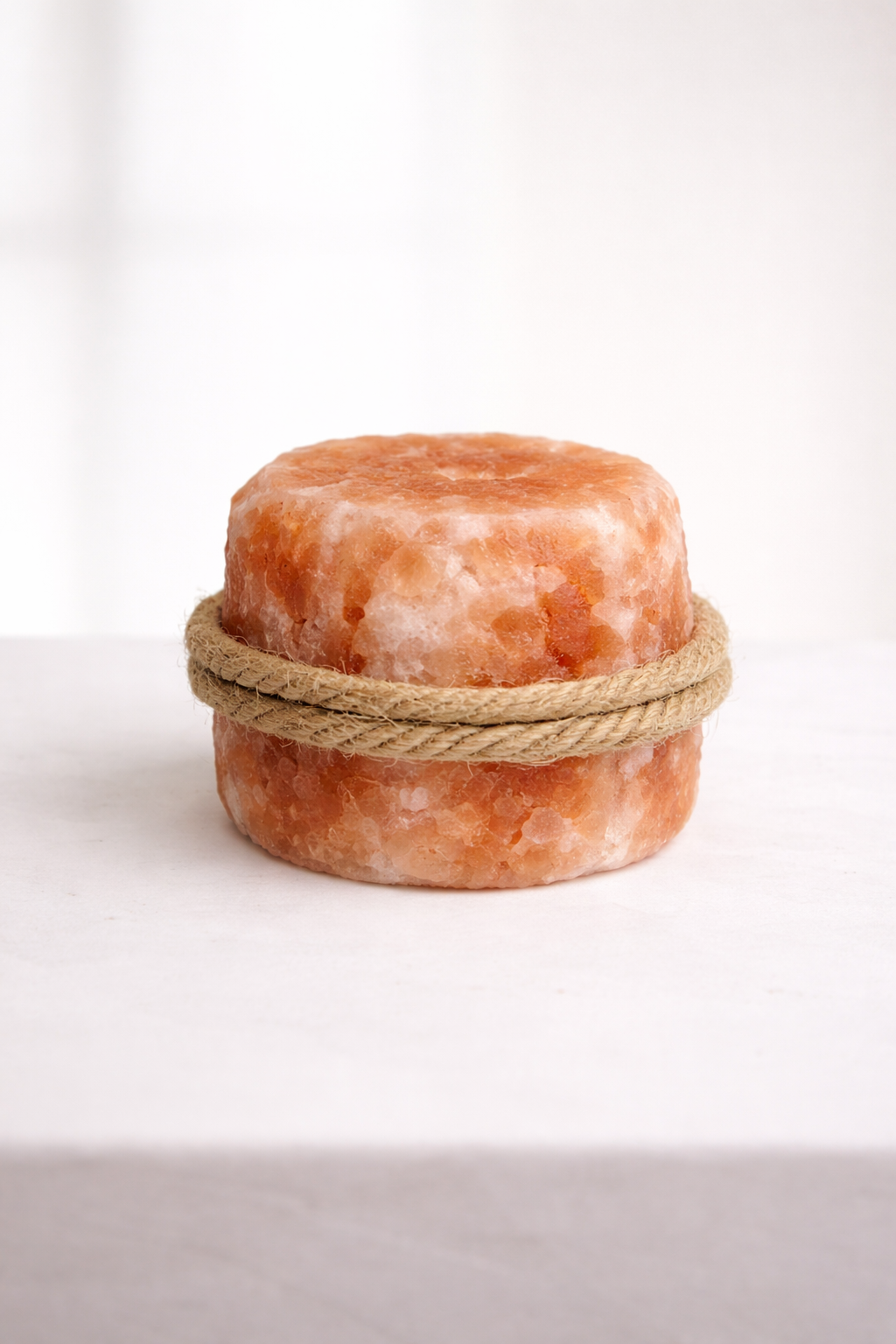
Every SalzRose salt lick comes with a rope for easy hanging, and you can choose between natural jute and braided cotton. While both ropes are durable and safe for use around animals, they have different characteristics that may influence your preference depending on your stable setup.
Jute Rope: The Natural Choice
Jute is a natural plant fiber with a rough, textured surface and a warm, earthy appearance. It is fully biodegradable and environmentally friendly. Jute rope has excellent strength-to-weight ratio and grips well on hooks and beams, reducing the chance of the lick slipping. The rustic look of jute blends naturally into traditional barn and stable settings. Many horse owners appreciate the authentic, old-world feel that jute rope brings to their operation.
Cotton Rope: The Modern Alternative
Braided cotton rope is softer, smoother, and offers a cleaner, more polished aesthetic. It is gentler on hands during installation and repositioning, and it will not leave rough fibers on stable fixtures. Cotton rope is particularly popular in show barns, indoor riding facilities, and modern stables where a neat appearance matters. The white color of cotton rope contrasts nicely with the pink Himalayan salt, creating an attractive visual presentation.
Functional Differences
In terms of performance, both ropes hold up well under the weight of all three salt lick sizes. Jute has a slight edge in grip, meaning it stays in place more securely on rough mounting points. Cotton is less likely to shed fibers and stays cleaner over time. In very wet outdoor environments, jute may degrade faster than cotton, though neither rope is designed for prolonged outdoor exposure in rain.
The Bottom Line
The choice between jute and cotton is primarily aesthetic and situational. For traditional barns and rustic settings, jute is the natural fit. For modern stables, show barns, and indoor facilities, cotton offers a more refined look. Either way, you get the same exceptional Himalayan salt lick with the same 84+ trace minerals.