
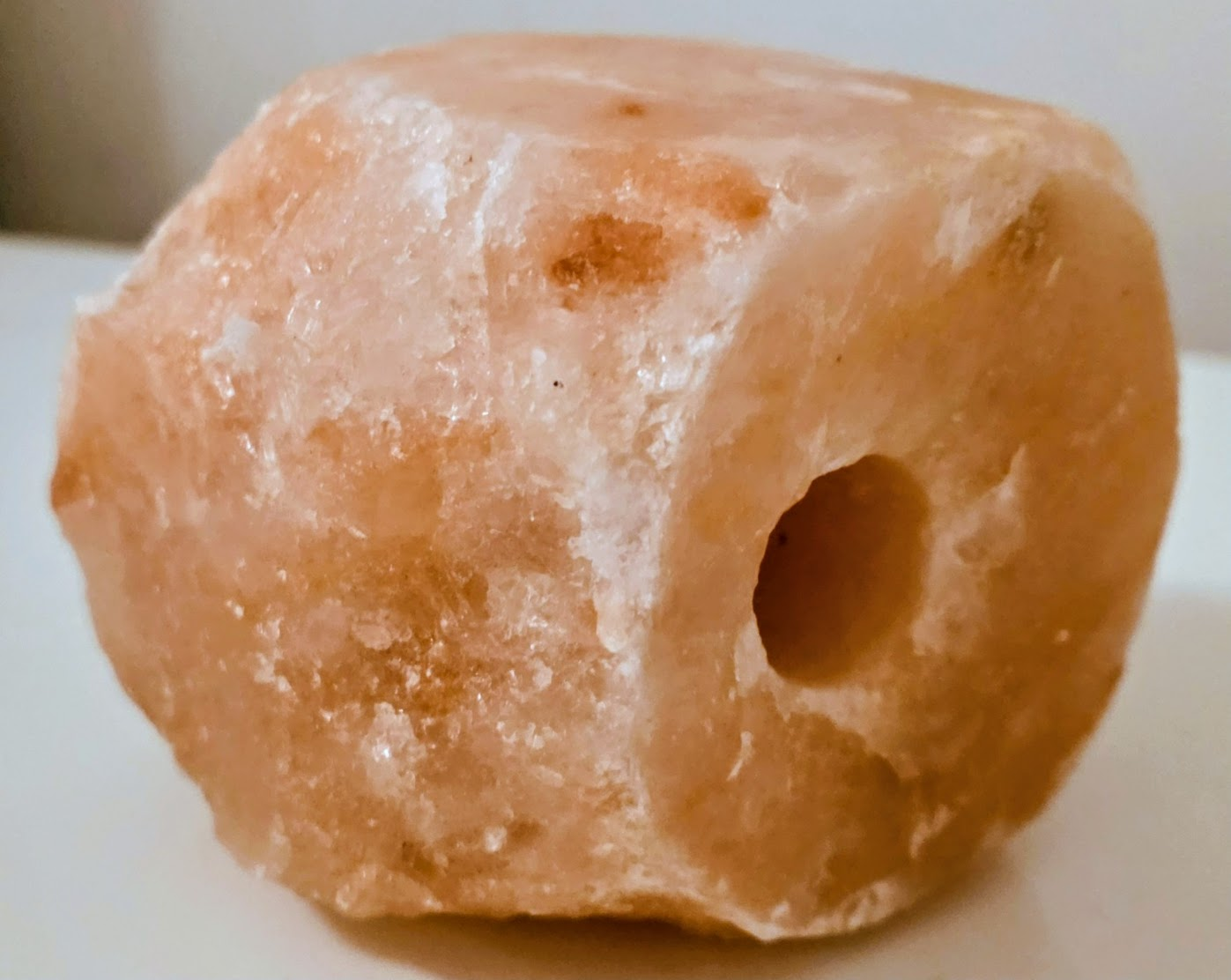
Himalayan pink salt is often praised for containing 84 naturally occurring trace minerals. While sodium chloride makes up the bulk of the salt (around 97-99%), the remaining percentage contains a diverse range of minerals that contribute to the salt's distinctive pink color and its potential health benefits for both animals and humans.
Key Minerals and Their Roles
Calcium is essential for bone strength, muscle function, and nerve signaling. In horses, calcium deficiency can lead to weak bones and poor hoof quality. Magnesium supports muscle and nerve function, energy production, and bone health. It is one of the most commonly deficient minerals in equine diets. Iron is responsible for the characteristic pink color of Himalayan salt and plays a vital role in oxygen transport through the bloodstream. Potassium is critical for maintaining fluid balance, muscle contractions, and heart function. Zinc supports immune function, wound healing, and healthy skin and coat condition.
Why Trace Minerals Matter for Livestock
Animals, particularly horses, cattle, and sheep, need trace minerals for proper growth and development, strong immune system function, healthy reproduction, coat and hoof condition, and electrolyte balance, especially after sweating during exercise or in hot weather. A natural Himalayan salt lick provides these minerals in a form that is bioavailable and balanced by nature, unlike synthetic supplements where dosing can be imprecise.
The Geological Story
Himalayan salt was formed from ancient ocean deposits during the Jurassic era, over 250 million years ago. As the Tethys Sea evaporated, massive salt deposits were left behind and eventually buried deep within the earth by tectonic activity that formed the Himalayan mountain range. Protected for millions of years from surface pollution, these deposits are among the purest mineral sources available today.
Beyond the Hype
It is important to maintain perspective. While the 84 minerals in Himalayan salt are real and verifiable through spectral analysis, the concentrations of many trace minerals are extremely small. The primary benefit of Himalayan salt for animals remains its high-quality sodium chloride content delivered in a natural, self-regulating format. The trace minerals are a genuine bonus, but sodium and chloride are what your animals need most.